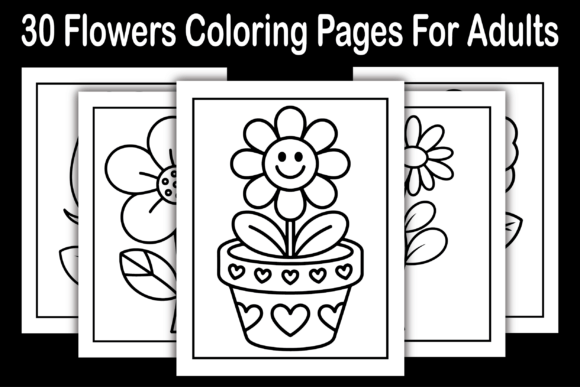
30 Flowers Coloring Pages for Adults
A Designer’s First Glance: Delicate, Versatile, and Quietly Confident
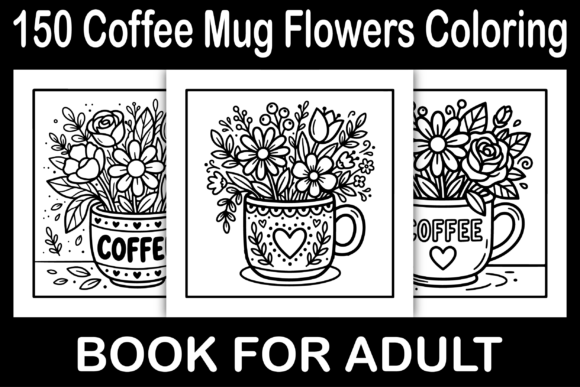
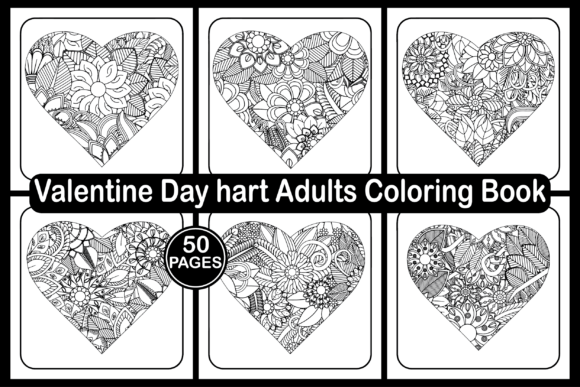
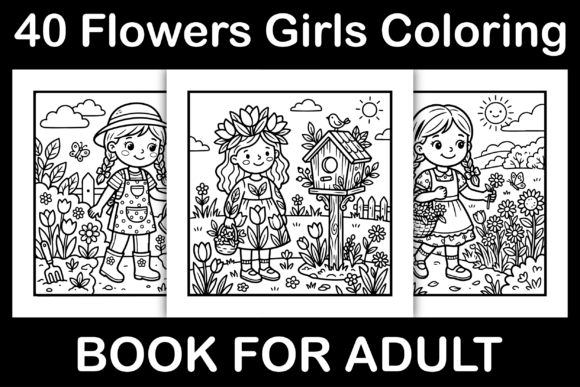
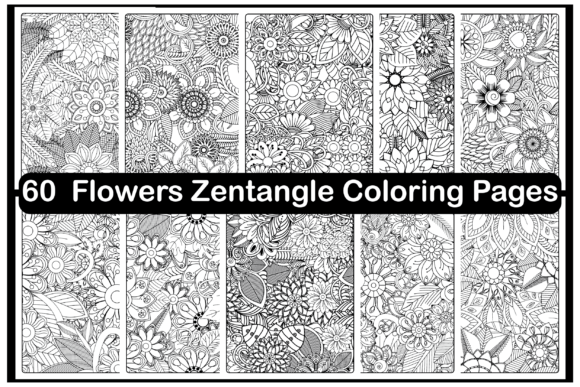
Opening 30 Flowers Coloring Pages for Adults, I didn’t see clipart—I saw embroidery potential. The line work is clean but not sterile: gentle curves, intentional negative space, and botanical variety that avoids repetition without veering into chaos. These aren’t florals meant for maximalist wall art—they’re quiet, confident outlines built for translation into stitch. As an embroidery designer who regularly adapts illustrations for real-world wearables, I immediately pictured one of these—say, the trailing jasmine or the single peony—on a linen tea towel, a cotton apron, or the chest pocket of a baby romper. The mood is calm, thoughtful, and handmade—not mass-produced.
How It Holds Up on Real Embroidery Projects
I tested three designs from the bundle on actual stitched samples: a custom embroidered tote bag (cotton canvas), a sweatshirt front (midweight fleece), and a set of nursery pillow covers (quilting cotton). In every case, the simplicity of the coloring page lines translated well—but only when intention guided the execution. The open shapes made satin-stitch borders easy to trace, while the larger floral forms accepted subtle fill-stitch gradients without overcrowding. On the tote, the medium-scale daisy design read clearly at 3.5 inches wide—no lost detail, no thread piling. On the sweatshirt, the same motif stayed legible even with slight fabric distortion, thanks to its generous inner spacing and lack of micro-detail.
Where it shines brightest is in personalization and small-batch craft business use. As an Etsy seller, I’d confidently pair one of these with a monogram or short sentiment for a wedding gift or baby shower keepsake. The clean linework also works beautifully as a base for appliqué design—cutting the shape from contrasting fabric before stitching around the edge adds texture without complexity. And for digital product sellers? These are ideal for printable mockups—layering them over photos of embroidered pillows or caps helps buyers visualize the finished product faster than any stock photo ever could.
Where Caution Is Needed—Not Flaws, Just Fit
This isn’t a one-size-fits-all embroidery file. Because 30 Flowers Coloring Pages for Adults was created as Graphics—not machine embroidery files—it needs thoughtful adaptation before stitching. Don’t drop it straight into your embroidery software and expect perfect results. Small hoop sizes (under 4x4 inches) will require careful cropping; dense clusters of petals may need simplification to avoid excessive stitch density. On thin or stretchy fabric—like lightweight knits or baby jersey—those fine interior lines can blur or distort unless paired with firm cutaway stabilizer and reduced stitch count.
Dark fabric demands extra attention: test the design in black-and-white mockups first. Some flowers rely on delicate interior shading that won’t translate if you’re stitching in a single thread color. And curved surfaces—caps, hats, or rounded pillow corners—will stretch those graceful stems and leaves unless you adjust placement and tension accordingly. Also, avoid using the most intricate blooms (like the double-layered rose or hibiscus) on items meant for frequent washing—fine details fade faster under abrasion.
What This Means for Your Craft Business
Used well, 30 Flowers Coloring Pages for Adults elevates perceived value. A customer sees a hand-drawn floral on their custom-embroidered kitchen towel and reads “care,” “intention,” and “small shop authenticity.” That impression builds trust—especially when contrasted with generic vector packs. It supports brand consistency too: choose one signature bloom across your product line (tote, tea towel, patch) and your shop gains visual cohesion without repeating the same logo everywhere.
For holiday embroidery or personalized gifts, these pages offer flexibility without sacrificing elegance. A lavender sprig on a linen napkin feels seasonal but timeless. A climbing vine along the hem of a child’s dress whispers thoughtfulness—not trend-chasing. And because they’re designed as Coloring Pages, they invite collaboration: let customers pick their favorite flower before embroidering. That simple choice deepens engagement and reduces returns.
Practical Notes Every Embroidery Designer Should Keep Handy
- Always test first—stitch one design on scrap fabric matching your final project’s weight and stretch.
- Check thread color contrast before digitizing—what reads beautifully in grayscale may vanish on navy or charcoal.
- Review stitch density manually—especially in layered petals or clustered stamens. Over-stitching causes puckering and thread breakage.
- Confirm hoop size and placement—some flowers span wider than expected, especially those with trailing vines or asymmetrical stems.
- Inspect small details under magnification—tiny centers or thin stamen lines may need reinforcement or simplification for reliable stitching.
- Test light and dark backgrounds side-by-side using printable mockups—this reveals which blooms carry presence across fabric tones.
- Use appropriate stabilizer—cutaway for knits and fleece, tear-away for stable wovens like linen or quilting cotton.
- Verify licensing before selling finished products or digital embroidery files derived from this bundle—since it’s marketed for KDP Interior and POD use, confirm commercial rights apply to your specific end use.
Final Thought: A Thoughtful Tool, Not a Shortcut
30 Flowers Coloring Pages for Adults doesn’t promise effortless embroidery—it offers honest, adaptable starting points. It respects the maker’s skill and judgment. As a designer who’s seen too many “plug-and-play” graphics fail under needle and thread, I appreciate that these pages assume intentionality: they ask you to consider fabric, scale, context, and audience before committing to stitch. That makes them especially valuable for craft business owners, Etsy sellers, and apparel decorators building a reputation on quality—not speed. Used with care, they become part of your design voice—not just another asset in the folder.