Cozy Escape Cute Comfy Coloring Pages
A Designer’s First Glance: Warmth, Simplicity, and Quiet Charm
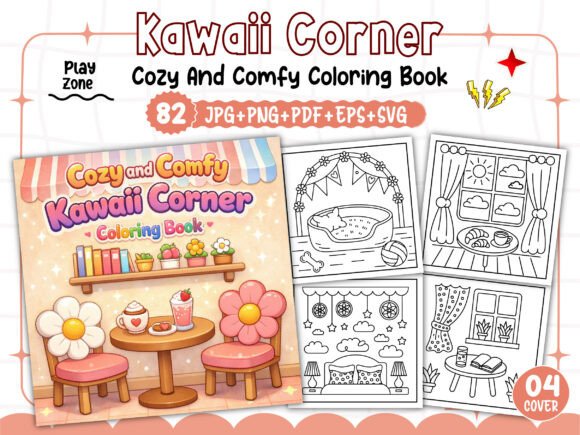
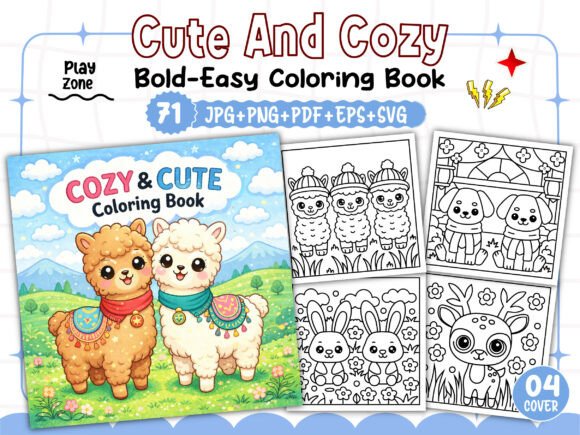
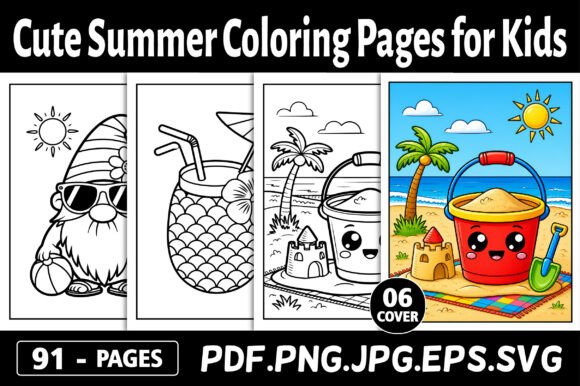
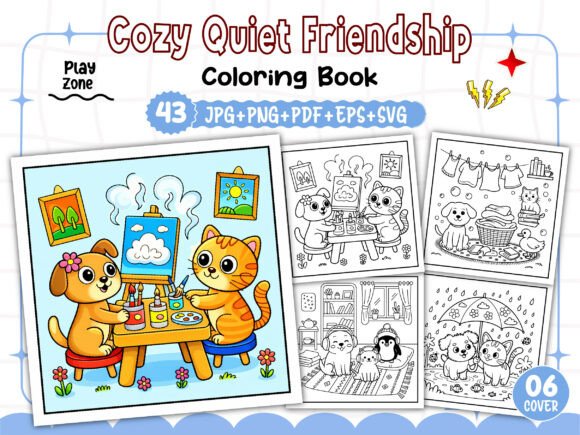
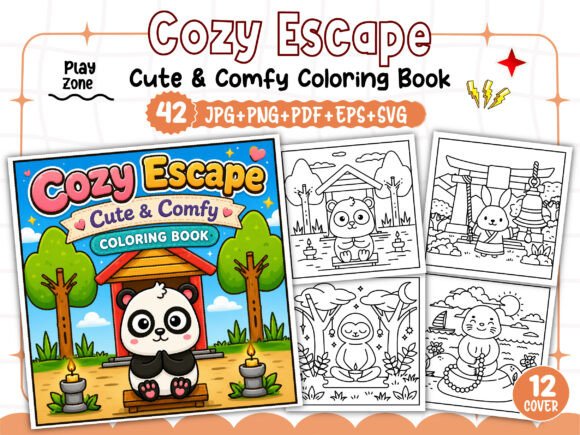
When I opened Cozy Escape Cute Comfy Coloring Pages, my immediate thought wasn’t “this will stitch fast” or “great for bulk orders”—it was “this feels like a hug in line art form.” The collection leans into soft curves, rounded shapes, and gentle negative space. Think oversized mugs with steam swirls, sleepy cats curled on blankets, knitted socks, steaming mugs beside tiny plants, and open books with falling leaves. There’s no aggressive contrast or sharp geometry—just approachable, low-stress illustration that breathes. As an embroidery designer who regularly translates digital art into thread, I appreciated how the lines are clean but not rigid, and how the composition leaves room for interpretation—not just coloring, but stitching.
Real-World Use: That Tote Bag Test You Didn’t Know You Needed
Last week, I prepped a custom embroidered tote for a local bookstore’s holiday pop-up—soft canvas, medium-weight, light beige. I chose one of the Cozy Escape Cute Comfy Coloring Pages motifs: a simple mug with a heart-shaped steam puff and two small stars. Why? Because it scaled beautifully to a 4" × 4" hoop, avoided tight corners, and had enough visual weight to read clearly at arm’s length—but not so much detail that it overwhelmed the fabric texture. Stitched in matte cotton thread (ecru + soft terracotta), it landed exactly right: handmade but polished, warm but not cloying. Customers paused. They smiled. They asked, “Is that from a coloring book?”—which tells me the design carries its origin story gracefully. It didn’t look like clip art. It looked like *intention*.
Where It Shines—and Where It Asks for Extra Care
Cozy Escape Cute Comfy Coloring Pages excels in projects where mood matters more than precision: baby onesies (think tiny sleeping fox + blanket motif), linen pillow covers for a nursery, tea towels for a cozy café, or unisex sweatshirt fronts. Its gentle scale and open layout make it forgiving on textured fabrics like terry cloth, bouclé, or slub linen—no micro-details to vanish in the weave. It also works well for applique designs when paired with a subtle satin stitch border.
But here’s what I watched closely: the smaller elements. One page includes a cluster of three tiny mushrooms—adorable, yes, but under 3mm tall in the PNG. On a curved surface like a cap or a stretchy cotton blend, those would blur without careful stabilizer choice and reduced stitch density. Likewise, any motif with fine interior linework (like delicate leaf veins or cross-hatched sweater patterns) needs testing on dark fabric first—running stitch outlines can disappear if thread contrast isn’t dialed in. And while the 12 included PNGs are high-resolution, they’re still coloring pages—not embroidery files. So before digitizing, I always check whether inner loops close cleanly and whether anchor points align for smooth satin stitch flow.
What It Adds to Your Finished Product—Beyond Just Looks
This isn’t just about prettiness. Cozy Escape Cute Comfy Coloring Pages quietly elevates perceived value. A personalized gift with one of these motifs reads as thoughtful—not trendy, not generic. Buyers recognize the hand-drawn warmth. For Etsy sellers or boutique owners, it supports brand consistency when used across product lines: same mug motif on a tea towel, matching embroidered patch, and printable mockup for social posts. It also builds trust—customers feel the care in the simplicity. No overdesigned chaos. Just calm, cohesive charm.
That said, it won’t carry heavy branding on its own. You won’t slap it on a tech startup’s merch and expect instant recognition. Its strength is in niches: slow-living shops, mindful parenting brands, indie bookstores, wellness studios, and holiday gift boxes built around comfort. It’s the kind of design that makes someone say, “I need this for my grandma’s birthday,” not “I need this for my board meeting.”
Practical Notes Every Embroidery Designer Should Keep Handy
- Always test on scrap fabric first—especially with textured or dark backgrounds. What reads softly on screen may stitch faintly in thread.
- Review stitch density early. These illustrations invite fill stitches, but too much density on lightweight fabric = puckering. Consider alternating fill + running stitch for breathable texture.
- Hoop size matters. Most motifs fit comfortably in 4" × 4", but double-check corner clearance if using on curved items like caps or baby hats.
- Inspect small details in black-and-white mockups. If a star or heart loses definition without color, simplify it before digitizing.
- Use tear-away + cut-away stabilizer combo on knits or loosely woven fabrics—those soft lines need support to stay crisp.
- Confirm licensing before selling finished products. Since this is marketed as a Coloring Book interior for KDP, verify commercial use rights for physical embroidered goods and digital embroidery files.
- Compare light/dark fabric backgrounds. A motif that sings on ivory linen may recede on charcoal—adjust thread colors accordingly, not just contrast.
Final Thought: Not Just Another Coloring Page—A Design Partner
As someone who’s digitized hundreds of graphics for embroidery, I don’t reach for Cozy Escape Cute Comfy Coloring Pages when I need flash or complexity. I reach for it when I want authenticity to come through the needle—when the goal isn’t to impress with technique, but to connect with quiet intention. It’s ideal for craft businesses building emotional resonance, not just inventory. For handmade product creators, it’s a reliable starting point that rewards thoughtful execution. Just remember: it’s a coloring page first, embroidery asset second. Respect its origins, adapt its language to thread, and let its cozy honesty do the rest.