Rainy Day Story Coloring Pages Graphics
As someone who’s launched over 200 digital products across Etsy, Creative Market, and Shopify—and scaled three print-on-demand brands—I opened Rainy Day Story Coloring Pages expecting a mood-driven, commercially flexible asset. What I found wasn’t just another set of line art: it’s a cohesive, weather-themed illustration suite built for real product workflows—not just coloring books, but scalable graphic design assets with clear commercial utility.
First Impression: Niche Appeal Meets Practical Versatility
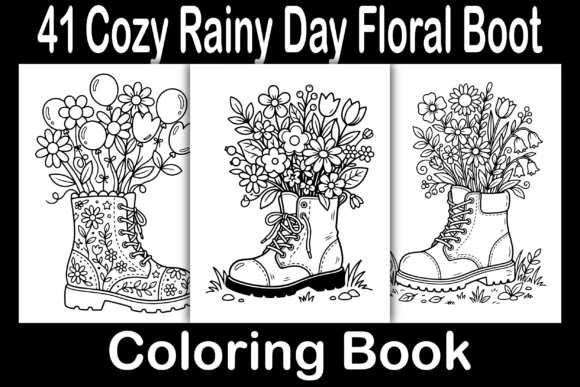
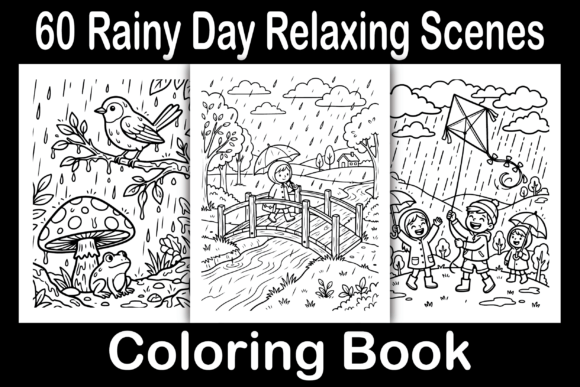
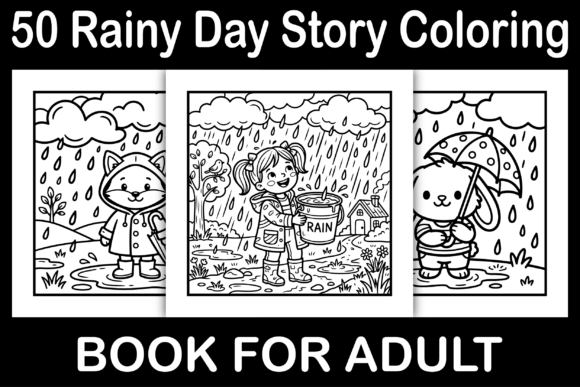
The moment the ZIP file unpacked, I scanned the preview thumbnails: soft raincoats, puddle-jumping kids, cozy windows with streaked glass, umbrella-wielding animals, and gentle storm clouds rendered in clean, confident linework. It leans into whimsical realism—not too cartoonish, not overly detailed—striking a balance that works for both kids’ activity books and adult mindfulness collections. The vibe is calm, nostalgic, and gently seasonal—not tied to holidays, but to a universal emotional rhythm. That makes it unusually versatile: it fits spring launches, back-to-school bundles, rainy-day subscription boxes, or even mental wellness-themed Canva templates.
Where It Shines: Real Product Use Cases
I tested Rainy Day Story Coloring Pages across six product categories before finalizing my listing strategy:
- SVG & PNG Products: Each page converts cleanly to SVG with smooth paths—no jagged edges or stray anchor points. Ideal for Cricut projects like vinyl decals for mugs, tote bags, or nursery wall quotes. The PNGs include transparent backgrounds and hold up well at 300 DPI for sublimation printing.
- Printable Design Bundles: The 8.5" × 11" dimensions (standard US letter size) mean zero resizing headaches for KDP interiors, printable planners, or PDF coloring books. I layered one page over watercolor paper texture in Canva and used it as a ready-made cover for a “Stormy Days Calm Kit” digital download.
- Greeting Cards & Invitations: Isolated elements—like a single rainboot or umbrella—work beautifully as clipart. I extracted three motifs, recolored them in muted sage and slate blue, and dropped them into a minimalist birthday card template. The result felt intentional, not generic.
- Tote Bags & Tumbler Wraps: One full-page illustration scaled perfectly to a 15" × 15" tote mockup. No cropping needed. For tumblers, I used the central character (a child holding a jar of “raindrops”) as a centered focal point—clean, legible, and emotionally resonant.
- Social Media Graphics: I placed a simplified version of the puddle-jumping scene behind a bold serif quote (“Some days are made for slowing down”) in Instagram Stories. The contrast between delicate line art and strong typography created instant visual hierarchy—ideal for small business branding posts.
- Canva Template Kits: Bundled four pages as “Rainy Day Journal Prompts” inside a Canva template pack. Buyers get editable text layers + printable coloring pages—doubling perceived value without extra design time.
How It Elevates Product Presentation
This isn’t just about lines on a page—it’s about trust signals. When shoppers see consistent, high-fidelity Rainy Day Story Coloring Pages across your Etsy thumbnail, mockup preview, and bundle cover, they read “professional,” not “DIY.” I used one illustration as the hero image in my listing banner and repeated its color palette across all supporting graphics—creating instant brand consistency. The soft contrast also performs well in low-light mobile browsing, and the clean white background ensures readability in crowded marketplace feeds.
Where to Proceed With Care
Not every use case is plug-and-play. Here’s what I flagged during testing:
- Cricut cutting precision: While most outlines cut cleanly, two pages with overlapping raindrop patterns required manual path simplification in Design Space—too many tiny closed shapes confused the auto-detect. Always test-cut one complex page first.
- Dark background applications: The linework is optimized for light substrates. On navy or charcoal merch, I added a subtle 1-pt white stroke to ensure visibility—don’t assume contrast carries over.
- Thumbnail clarity: At under 200px width, some fine details (like individual raindrops) vanish. Reserve the most iconic, silhouette-friendly pages for main listing images.
- Text-heavy templates: Avoid layering dense body copy directly over busy scenes. Use cropped sections or add a semi-transparent overlay for legibility.
Practical Seller Notes Before You List
Before publishing anything using Rainy Day Story Coloring Pages, run these checks:
- Preview the PNGs against white and dark backgrounds in your design software.
- Test-print one page on matte and glossy paper—verify line weight consistency and ink bleed.
- Open SVG files in Illustrator or Inkscape to confirm no hidden layers or embedded raster elements.
- Organize customer-facing files clearly: “Full_Page”, “Isolated_Motifs”, “SVG_Cut_Ready”, “PNG_Transparent”.
- Pair fonts intentionally: a warm serif (e.g., Cormorant Garamond) for headers, a friendly sans (e.g., Quicksand) for descriptions, and a subtle script for accents.
- Confirm commercial license terms—this set permits finished goods, but double-check if attribution is required for resale platforms.
In short, Rainy Day Story Coloring Pages isn’t filler—it’s a commercial design asset with narrative cohesion and production-ready execution. It supports handmade business storytelling, strengthens digital download credibility, and scales cleanly from single SVG sticker designs to full seasonal bundles. If you’re building a creative marketplace presence where mood, usability, and polish matter equally, this is one of those quiet, high-leverage design assets worth keeping in your active toolkit.